Description
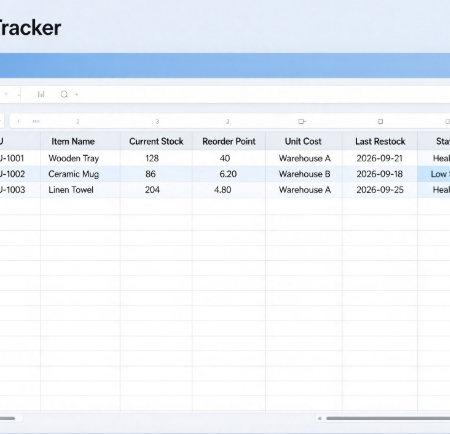
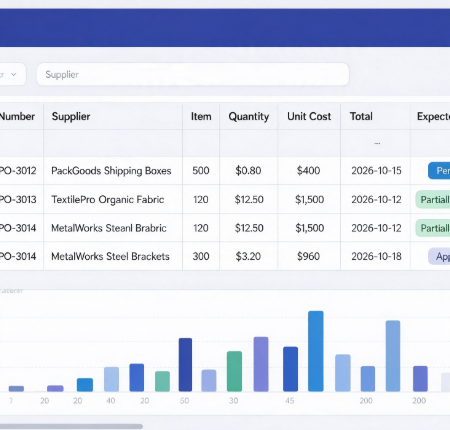
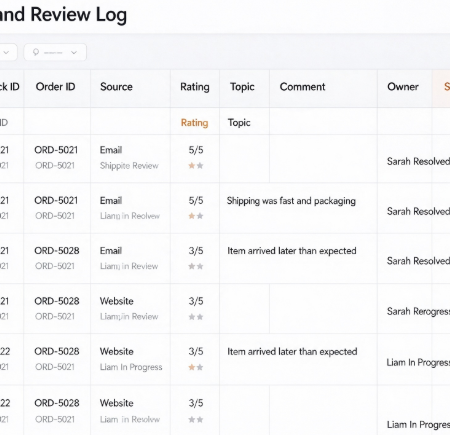
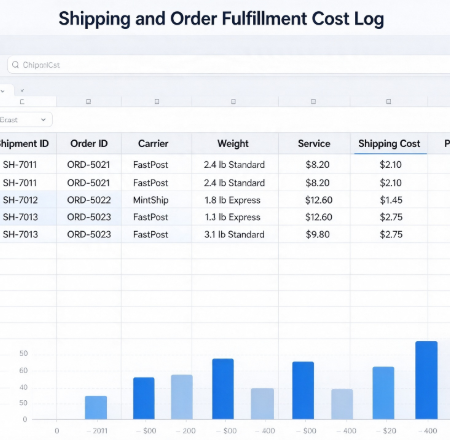
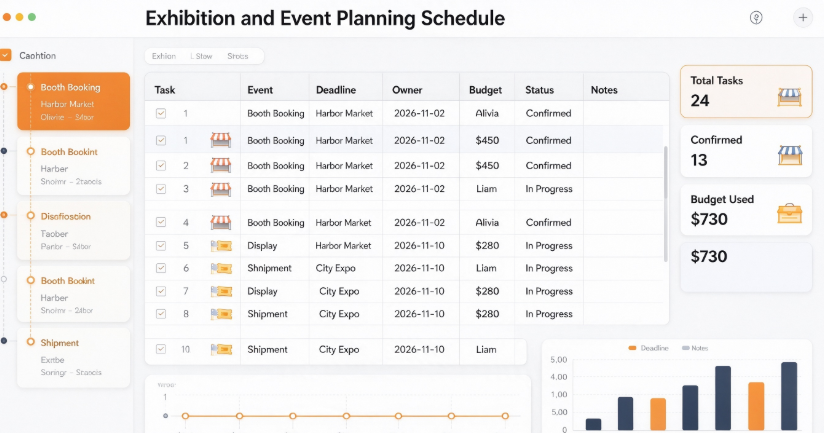
This tool is designed for European small businesses, brands, and online delivery teams to plan the preparations for trade shows, industry events, offline promotions, client meet-ups, or product launches. It consolidates event objectives, timelines, venue details, material preparation, staff assignments, budget tracking, promotional schedules, and on-site execution tasks into a clear, organized spreadsheet. This helps prevent issues—such as overlooked preparations, scheduling conflicts, or unclear responsibilities—that could compromise the event’s success. It serves as a highly practical, foundational planning tool for small businesses aiming to acquire customers and boost brand visibility through events.
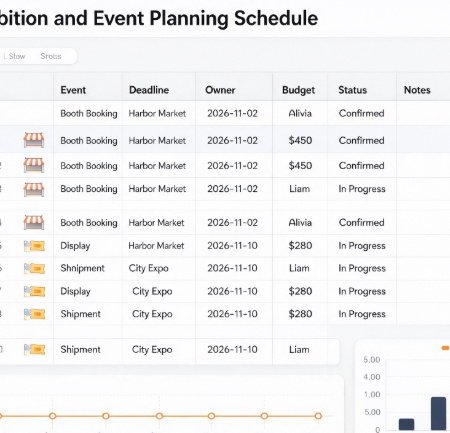
The template typically includes sections for the event name, type, date, venue, target audience, budgeted amount, actual expenditure, material list, promotional channels, staff roles, task list, deadlines, completion status, and notes. You can filter data by event type, timeframe, person in charge, or completion status to quickly identify outstanding tasks, pending material purchases, or promotional activities requiring advance scheduling. It is suitable for trade show participation, industry networking, client events, product launches, online promotions, and other projects requiring milestone-based execution.
Integration with our service workflow: Our service process follows a “Quote Request -> Consultation & Assessment -> Deposit -> Final Delivery & Balance Payment” model. You can first request a quote for this event planning schedule, then consult with us to assess event types, task fields, budget items, and staff roles. Once confirmed and the deposit is paid, we begin creation or configuration; upon completion, we deliver the final spreadsheet, and you pay the remaining balance. This allows you to customize the spreadsheet’s fields and complexity based on the actual scale of your event.
Pricing Information: The price listed on the page is the starting price for the standard template, not the final cost. The final price is determined by factors such as the number of events, task complexity, budget items, automated reminders, multilingual support, multi-currency capabilities, permission settings, and the need for integration with client or marketing spreadsheets. The basic version is suitable for manual planning by small teams; if you require comprehensive features like event budget analysis, task tracking, or post-event performance reviews, we will provide a formal quote after understanding your specific business needs.